Role of roofing in sustainability: energy savings in 2026
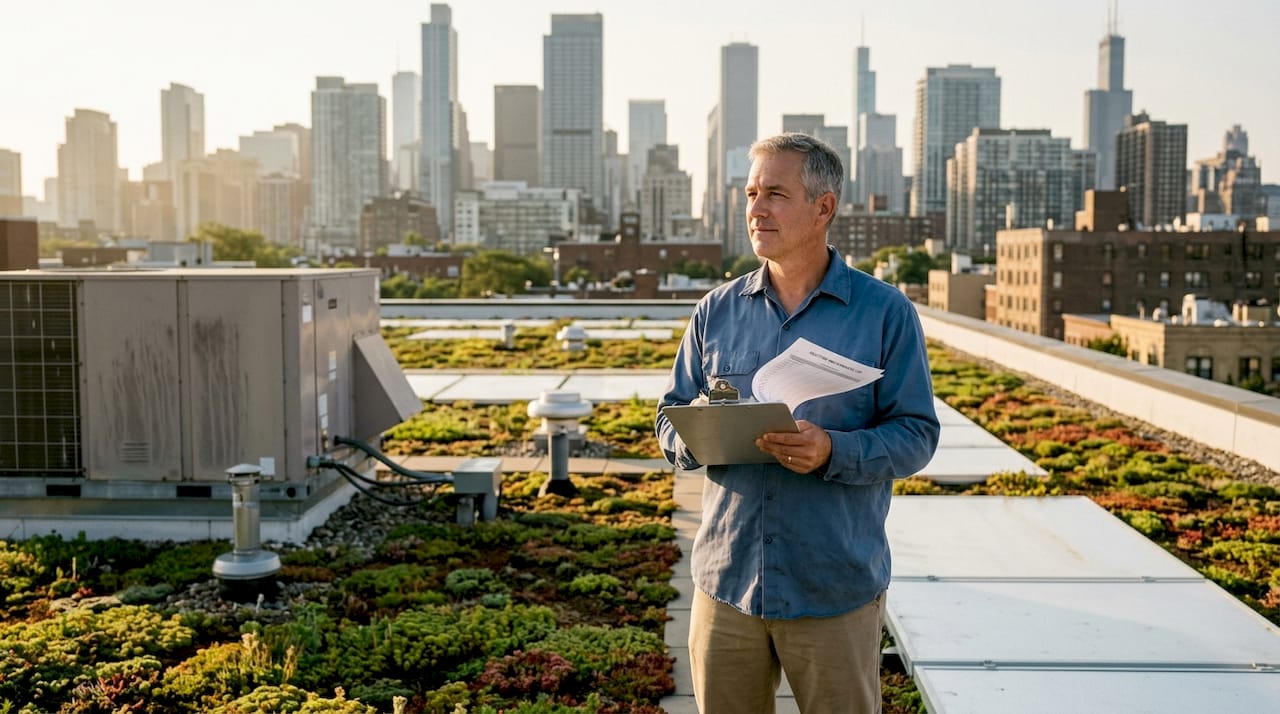
Your roof does more than keep rain out. It quietly drives your energy bills up or down, shapes your carbon footprint, and influences neighborhood temperatures in ways most homeowners never consider. Sustainable roofing systems can slash cooling energy use by 20 to 30 percent while reducing urban heat islands and improving indoor comfort. From reflective cool roofs to vegetation-covered green roofs and integrated solar photovoltaic panels, modern roofing technologies offer powerful tools for cutting costs and environmental impact. This article explains the mechanics behind energy-efficient roofs, compares leading sustainable systems, and provides actionable guidance for homeowners and commercial property managers ready to upgrade in 2026.
Table of Contents
- Understanding How Roofing Influences Energy Efficiency And Sustainability
- Comparing Sustainable Roofing Systems: Materials, Cost, And Environmental Impact
- Advanced Techniques: Combining Insulation And Solar For Maximal Energy Savings
- Practical Guidance: Choosing Sustainable Roofing Solutions For Your Property
- Explore Sustainable Roofing And Solar Solutions With Sunflowers Energy
Key takeaways
| Point | Details |
|---|---|
| Cooling energy reduction | Sustainable roofs can cut cooling energy use by 20-30% through high solar reflectance and insulation. |
| Temperature management | Green and cool roofs reduce local temperatures and improve indoor comfort by reflecting heat or using evapotranspiration. |
| Combined savings potential | Combining insulation with photovoltaic panels can achieve net energy savings up to 80% in residential buildings. |
| Material trade-offs | Different roofing materials vary in environmental impact and cost-effectiveness based on lifecycle assessments. |
| Incentive eligibility | Choose ENERGY STAR or LEED eligible systems to qualify for rebates and maximize long-term savings. |
Understanding how roofing influences energy efficiency and sustainability
Roofing acts as your building’s first defense against solar radiation. When sunlight hits a conventional dark roof, it absorbs heat and transfers it downward, forcing air conditioning systems to work harder. Cool roofs flip this dynamic by using materials with a high Solar Reflectance Index, typically above 78, to bounce sunlight back into the atmosphere. This simple physics reduces surface temperatures by 50 to 60 degrees Fahrenheit compared to traditional roofs.
Green roofs take a different approach by layering vegetation, growing medium, and drainage systems atop waterproof membranes. Plants cool buildings through evapotranspiration, the process where water evaporates from leaves and soil, absorbing heat energy in the process. The soil and plant layers also provide substantial insulation, creating a thermal buffer that reduces heat transfer year-round. Research shows sustainable roofing solutions reduce commercial cooling loads by 20-30% through these combined mechanisms.
Insulation plays an equally critical role by minimizing heat transfer through the roof structure itself. Proper insulation keeps conditioned air inside during summer and winter, reducing the workload on HVAC systems. When combined with reflective surfaces or vegetation, insulation creates a multi-layered defense against energy waste. Commercial buildings with these advanced systems report cooling energy reductions between 20 and 30 percent, with some installations achieving even higher savings in hot climates.
Pro Tip: Match your roof type to your local climate for maximum impact. Cool roofs excel in hot, sunny regions where cooling dominates energy use, while green roofs provide year-round benefits in temperate zones with significant heating and cooling seasons.
Beyond direct energy savings, sustainable roofs combat urban heat islands by lowering neighborhood temperatures. Traditional roofs and pavement absorb and re-radiate heat, creating temperature differences of 5 to 7 degrees Fahrenheit between urban and rural areas. Reflective and vegetated roofs break this cycle, improving outdoor comfort and reducing citywide cooling demand. These benefits extend to stormwater management, as green roofs absorb rainfall and reduce runoff that overwhelms drainage systems. The combination of energy savings and solar efficiency makes sustainable roofing a cornerstone of modern building performance.
Key mechanisms driving roofing sustainability:
- High solar reflectance bounces sunlight away from buildings
- Evapotranspiration cools surfaces through natural plant processes
- Insulation layers reduce heat transfer between exterior and interior spaces
- Combined systems deliver 20 to 30 percent cooling energy reductions
“Sustainable roofing transforms buildings from energy liabilities into efficiency assets by addressing heat gain at its source.”
Comparing sustainable roofing systems: materials, cost, and environmental impact
Choosing the right sustainable roofing system requires understanding trade-offs between thermal performance, cost, and environmental footprint. Recent lifecycle assessments evaluated six innovative roofing systems: Cobiax, Waffle, Roofix, Hollowcore, LCP, and Contruss. These systems vary dramatically in their use of concrete, reinforcement, and insulation, creating distinct profiles for different building needs. Contruss is most cost-effective and Cobiax offers best thermal insulation in lifecycle assessments spanning 50 years.
Cobiax systems use plastic balls to reduce concrete volume while maintaining structural strength, delivering superior thermal insulation values. This design minimizes heat transfer and lowers heating and cooling demands over the building’s lifetime. However, the manufacturing process for plastic components adds environmental complexity that must be weighed against operational energy savings. Contruss systems, which use prefabricated steel trusses with concrete, emerged as the most cost-effective option when considering both initial investment and maintenance over five decades.
Environmental impact drivers extend beyond operational energy to include embodied carbon from materials production and transportation. Concrete production generates significant CO2 emissions, making systems that minimize concrete volume more sustainable from a cradle-to-grave perspective. Reinforcement materials like steel also carry environmental costs, though their durability can offset initial impacts through extended service life. The choice between systems depends on whether you prioritize upfront cost, thermal performance, or total lifecycle environmental impact.
Pro Tip: Request cradle-to-grave lifecycle assessments, not just cradle-to-gate data. Manufacturing impacts tell only part of the story. Operational energy savings and end-of-life disposal dramatically influence true sustainability.
Green roofs and cool roofs represent more accessible options for most property owners. Green roofs require structural capacity to support soil, plants, and water weight, typically adding 15 to 50 pounds per square foot. They demand regular maintenance including irrigation, weeding, and plant replacement, but deliver unmatched stormwater management and urban cooling benefits. Cool roofs using TPO or PVC membranes cost less, install faster, and work on existing structures without reinforcement. Their effectiveness varies by climate, with greatest benefits in hot, sunny regions where cooling dominates energy use.
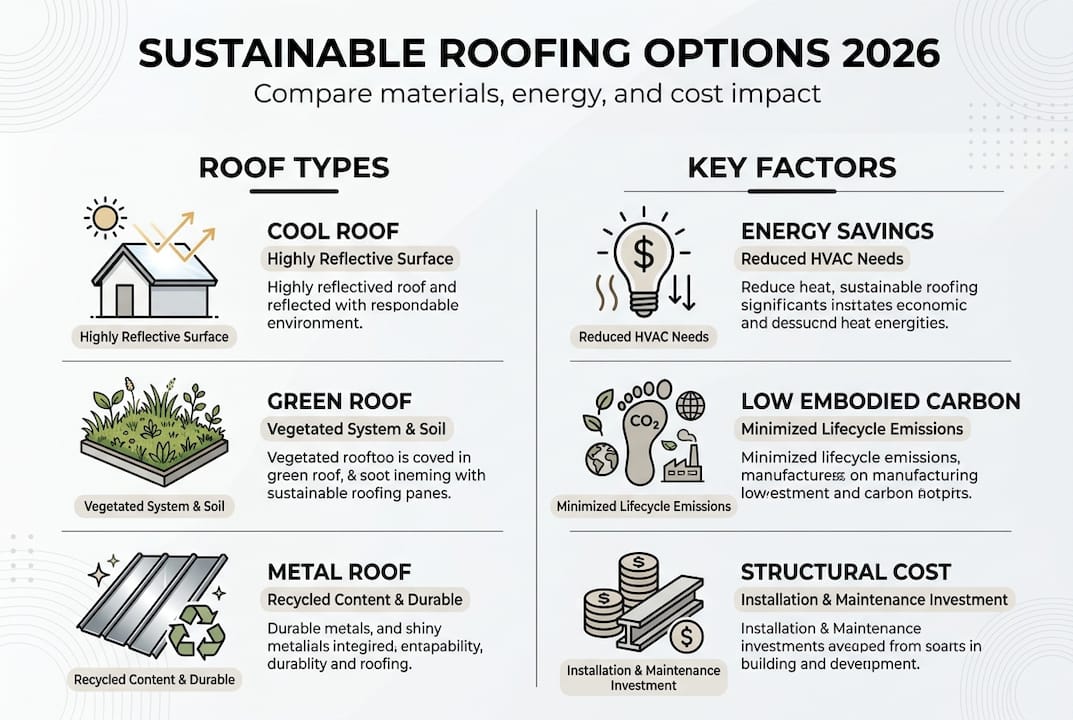
The table below compares key attributes across common sustainable roofing benefits systems:
| System Type | Thermal Performance | Initial Cost | Maintenance | Best Application |
|---|---|---|---|---|
| Cool Roof (TPO/PVC) | Good | Low | Minimal | Commercial flat roofs, hot climates |
| Green Roof | Excellent | High | Regular | Urban buildings, stormwater management |
| Metal with Reflective Coating | Very Good | Medium | Low | Residential, long lifespan priority |
| Cobiax Slab | Excellent | High | Minimal | New construction, maximum insulation |
| Contruss System | Good | Low | Minimal | Cost-sensitive projects |
Critical considerations when comparing systems:
- Structural load capacity limits green roof feasibility on existing buildings
- Climate determines whether cooling or heating savings dominate
- Maintenance requirements affect total cost of ownership
- Embodied carbon from materials production impacts lifecycle sustainability
- Local material availability influences both cost and environmental footprint
Advanced techniques: combining insulation and solar for maximal energy savings
The most powerful energy savings emerge when you layer multiple technologies. Combining roof insulation with solar photovoltaic panels creates synergies that amplify benefits beyond what either technology delivers alone. Studies show combining roof insulation and PV systems yields net energy savings of 55-80%, with PV shading reducing cooling energy by 17 percent through the shadow effect alone.
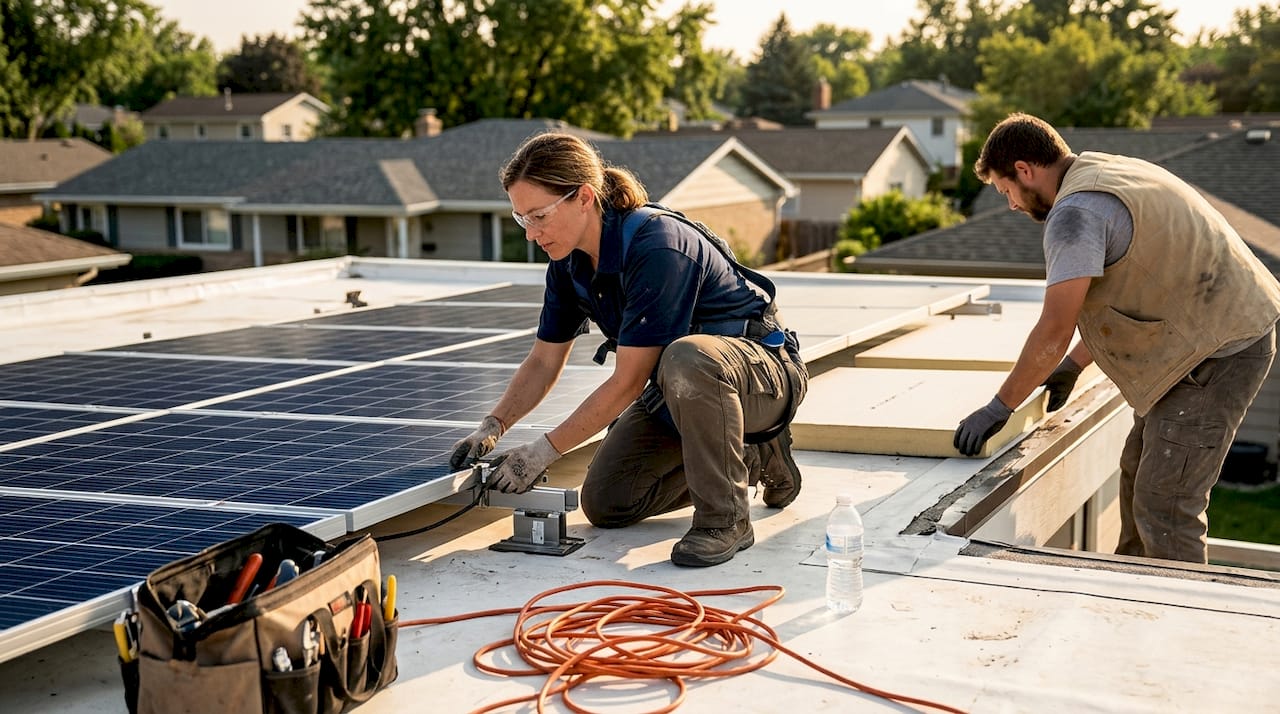
The implementation sequence matters. Start with insulation to reduce baseline energy demand, then add PV panels to generate clean electricity. Insulation alone delivers 3 to 17 percent energy savings by minimizing heat transfer through the roof structure. This reduction lowers HVAC workload year-round, cutting both heating and cooling costs. Once insulation establishes a tight thermal envelope, PV panels generate electricity to offset remaining energy needs, often producing surplus power that feeds back to the grid.
PV panels create an unexpected cooling benefit by shading the roof surface beneath them. This shadow effect blocks direct sunlight from hitting the roof membrane, reducing surface temperatures and heat transfer into the building. Research quantifies this benefit at approximately 17 percent cooling energy reduction, separate from the electricity generation value. The combined effect of insulation, PV generation, and shading transforms roofs from energy liabilities into net energy producers.
The table below shows energy savings percentages by building type when combining insulation and PV:
| Building Type | Insulation Only | PV Generation | PV Shading | Combined Net Savings |
|---|---|---|---|---|
| Single-Family Home | 8-12% | 45-55% | 17% | 60-75% |
| Multi-Family Apartments | 5-10% | 40-50% | 17% | 55-70% |
| Commercial Office | 10-17% | 50-60% | 17% | 65-80% |
Practical steps for implementing combined systems:
- Conduct an energy audit to establish baseline consumption and identify insulation gaps
- Upgrade roof insulation to current code minimums or better, sealing air leaks
- Verify structural capacity to support PV panel weight, typically 3 to 4 pounds per square foot
- Size PV system based on post-insulation energy needs, not original consumption
- Orient panels for maximum sun exposure based on your latitude and roof geometry
- Connect to net metering programs to monetize surplus electricity production
“The combination of insulation and PV transforms residential buildings into near-zero energy consumers, with some installations achieving 80 percent net energy savings compared to conventional construction.”
Homeowners installing combined systems should coordinate insulation and PV installation to avoid redundant roof work. Installing insulation first allows accurate PV sizing based on reduced energy needs, preventing oversized systems that increase upfront costs without proportional benefits. The solar energy efficiency guide provides detailed frameworks for optimizing this sequence. Property managers overseeing commercial installations can leverage bulk purchasing and streamlined permitting to reduce costs across multiple buildings, maximizing return on investment for sustainable upgrades.
Practical guidance: choosing sustainable roofing solutions for your property
Selecting the right sustainable roofing system starts with understanding your building’s unique context. Climate, building type, structural capacity, and budget constraints all shape which technologies deliver maximum value. Use this checklist to assess your situation before committing to a specific approach:
Pre-selection assessment checklist:
- Identify your climate zone and whether cooling or heating dominates energy use
- Determine current roof condition and remaining service life
- Verify structural load capacity with a licensed engineer if considering green roofs or heavy systems
- Calculate available roof area for solar panels, accounting for shading from trees or nearby buildings
- Research local rebates and incentives for ENERGY STAR or LEED certified systems
- Establish budget for both initial installation and ongoing maintenance
For commercial flat roofs, TPO and PVC cool membranes offer the best combination of performance, cost, and ease of installation. These single-ply membranes reflect 70 to 80 percent of solar radiation while resisting punctures, chemicals, and UV degradation. Prioritize ENERGY STAR or LEED eligible roofing for rebates; TPO and PVC membranes suit commercial flat roofs while metal and green roofs work well for residential longevity. Installation typically takes days rather than weeks, minimizing business disruption.
Residential buildings benefit from metal roofs with reflective coatings or green roof systems depending on priorities. Metal roofs last 40 to 70 years, far exceeding asphalt shingles, and reflect significant solar radiation when coated with specialized pigments. They shed snow easily, resist fire, and require minimal maintenance. Green roofs provide superior insulation and stormwater management but demand structural reinforcement and ongoing care. Evaluate your willingness to maintain plants and irrigation systems before committing to green roof technology.
Pro Tip: Verify your roof’s structural capacity before selecting green roof systems. Most residential roofs need reinforcement to handle the additional 15 to 50 pounds per square foot that soil, plants, and water add. Skipping this step risks structural damage and safety hazards.
Incentive programs significantly improve return on investment for sustainable roofing. Federal tax credits, state rebates, and utility incentives can offset 20 to 40 percent of installation costs for qualifying systems. ENERGY STAR certification guarantees products meet minimum performance thresholds for solar reflectance and thermal emittance. LEED certification provides a framework for evaluating total building sustainability, with roofing contributing substantial points toward certification levels. Check Database of State Incentives for Renewables and Efficiency (DSIRE) for current programs in your area.
Partner with experienced roofing professionals who understand sustainable technologies and local building codes. Request references from similar projects and verify licensing and insurance coverage. Quality installation determines whether sustainable roofing delivers promised energy savings or underperforms due to air leaks, poor insulation contact, or membrane defects. The eco-friendly roofing tips resource provides additional selection criteria and contractor vetting strategies for 2026 projects.
Explore sustainable roofing and solar solutions with Sunflowers Energy
Ready to transform your roof into an energy-saving asset? Sunflowers Energy combines deep expertise in sustainable roofing and solar energy to help homeowners and commercial property managers maximize efficiency while minimizing environmental impact. Our team designs integrated solutions that pair high-performance roofing with solar PV systems, delivering the combined savings you just learned about.
Explore how solar energy benefits and functionality work together with our professional roofing services to create comprehensive upgrades. Discover how solar drives sustainability and cuts costs in 2026 through strategic combinations of roofing and renewable energy. Contact us for a free onsite inspection and personalized quote that addresses your specific building needs and sustainability goals.
FAQ
What is the difference between a cool roof and a green roof?
Cool roofs reflect solar radiation using special materials with high Solar Reflectance Index values, typically above 78, to minimize heat absorption. Green roofs use vegetation layers that insulate and cool buildings through evapotranspiration, where plants release water vapor that absorbs heat energy. Cool roofs cost less and install faster, making them ideal for commercial flat roofs in hot climates. Green roofs provide additional benefits like stormwater management and urban cooling but require structural support to handle soil and plant weight, plus ongoing maintenance for irrigation and plant care.
How much can solar panels combined with roofing insulation save on energy bills?
Combined systems deliver net energy savings between 55% and 80% compared to conventional construction, dramatically lowering utility bills and carbon emissions. Insulation alone reduces energy consumption by 3 to 17 percent by minimizing heat transfer through the roof structure. PV panels add electricity generation that offsets remaining energy needs, while the shading effect contributes an additional 17 percent cooling energy reduction. Actual savings vary based on climate, building type, and system sizing, with commercial offices often achieving the highest percentages due to daytime electricity use that aligns with solar production.
Are there incentives available for installing sustainable roofing systems?
Many ENERGY STAR and LEED certified roofing systems qualify for rebates and incentives at federal, state, and local levels. Federal tax credits can offset 20 to 30 percent of installation costs for qualifying renewable energy and energy efficiency upgrades. State and utility programs often provide additional rebates for cool roofs, green roofs, and solar installations. These incentives significantly improve return on investment, sometimes shortening payback periods from 15 years to under 10 years. Check the Database of State Incentives for Renewables and Efficiency for current programs in your area, as offerings change annually based on funding availability and policy priorities.
Do green roofs work in cold climates or only warm regions?
Green roofs function effectively in cold climates by providing year-round insulation that reduces both heating and cooling energy. The soil and vegetation layers create thermal mass that buffers temperature swings, keeping buildings warmer in winter and cooler in summer. Plant selection matters significantly, with cold-hardy sedums and native species surviving freezing temperatures and snow cover. Snow accumulation on green roofs melts more slowly than on conventional roofs, reducing ice dam formation and sudden runoff. However, irrigation systems need winterizing to prevent freeze damage, and plant selection must account for your specific hardiness zone to ensure survival through harsh winters.
Recommended
- What is a sustainable roof? Cut energy use 20% in 2026 – Sunflowers Energy LLC A Roofing and Solar Companys
- How roofing boosts energy savings and solar efficiency – Sunflowers Energy LLC A Roofing and Solar Companys
- Role of roofing in energy efficiency: reduce costs – Sunflowers Energy LLC A Roofing and Solar Companys
- Sustainable roofing benefits: cut costs, boost value – Sunflowers Energy LLC A Roofing and Solar Companys