Sustainable roofing benefits: cut costs, boost value
Sustainable roofing isn’t just a trend or marketing label. It represents a proven approach to reducing energy costs, extending roof lifespan, and minimizing environmental impact through smart material choices and design. If you’re a homeowner or business owner exploring eco-friendly upgrades in 2026, understanding the tangible benefits of sustainable roofing combined with solar energy integration can transform how your property performs and what you spend on energy bills.
Table of Contents
- What Is Sustainable Roofing And Why Does It Matter?
- How Sustainable Roofing Enhances Energy Efficiency And Lowers Costs
- Solar Energy Integration With Sustainable Roofing: Benefits And Pitfalls
- Choosing And Maintaining Sustainable Roofing For Long-Term Success
- Explore Expert Sustainable Roofing And Solar Solutions
- Frequently Asked Questions About Sustainable Roofing
Key takeaways
| Point | Details |
|---|---|
| Energy efficiency gains | Sustainable roofing systems significantly lower cooling costs and reduce overall energy consumption. |
| Material longevity | Metal and cool roofing materials offer extended lifespans and recyclability compared to traditional options. |
| Solar compatibility | Properly designed sustainable roofs amplify solar panel performance and energy savings. |
| Installation quality matters | Poor installation causes leaks, structural damage, and reduced system efficiency. |
| Financial incentives available | Tax credits and rebates improve return on investment for sustainable roofing and solar upgrades. |
What is sustainable roofing and why does it matter?
Sustainable roofing goes beyond picking materials with green labels. It involves selecting roofing systems that reduce environmental impact, improve energy efficiency, and deliver measurable performance over decades. Metal roofing systems address sustainability at a system level and have long service lives reducing waste. This approach considers the entire lifecycle of your roof, from manufacturing and installation to maintenance and eventual recycling.
Metal roofing stands out as a popular sustainable choice because it combines durability, recyclability, and lifespan advantages that traditional asphalt shingles can’t match. You’re investing in a roof that can last 40 to 70 years instead of 15 to 25 years, which means fewer replacements and less landfill waste. The material itself is often made from recycled content and remains fully recyclable at the end of its service life.
Practical outcomes drive sustainable roofing decisions for building owners. You want lower energy bills, reduced maintenance headaches, and a roof that withstands environmental stress without constant repairs. Sustainable roofing delivers these benefits through reflective surfaces, superior insulation properties, and resilient materials that handle temperature fluctuations and weather events more effectively than conventional options.
Choosing what is a sustainable roof means evaluating your property’s specific needs. Consider factors like climate, roof slope, existing insulation, and future plans for solar integration. A flat commercial roof requires different sustainable strategies than a pitched residential roof.
Key sustainable roofing characteristics include:
- High solar reflectance to reduce heat absorption
- Recycled or renewable material content
- Long service life reducing replacement frequency
- Compatibility with solar panel mounting systems
- Low maintenance requirements over time
Pro Tip: Before selecting a sustainable roofing material, assess your property’s structural capacity and drainage systems. Some sustainable options like vegetative roofs or solar-integrated systems require additional structural support and proper water management.
How sustainable roofing enhances energy efficiency and lowers costs
Sustainable roofs deliver measurable energy savings through reflective surfaces that reduce heat absorption. Cool commercial roofs reduce air conditioning costs by 15–30% and last 5–10 years longer than dark roofs. These surfaces reflect sunlight instead of absorbing it, which keeps your building cooler and reduces the workload on your HVAC system during hot months.
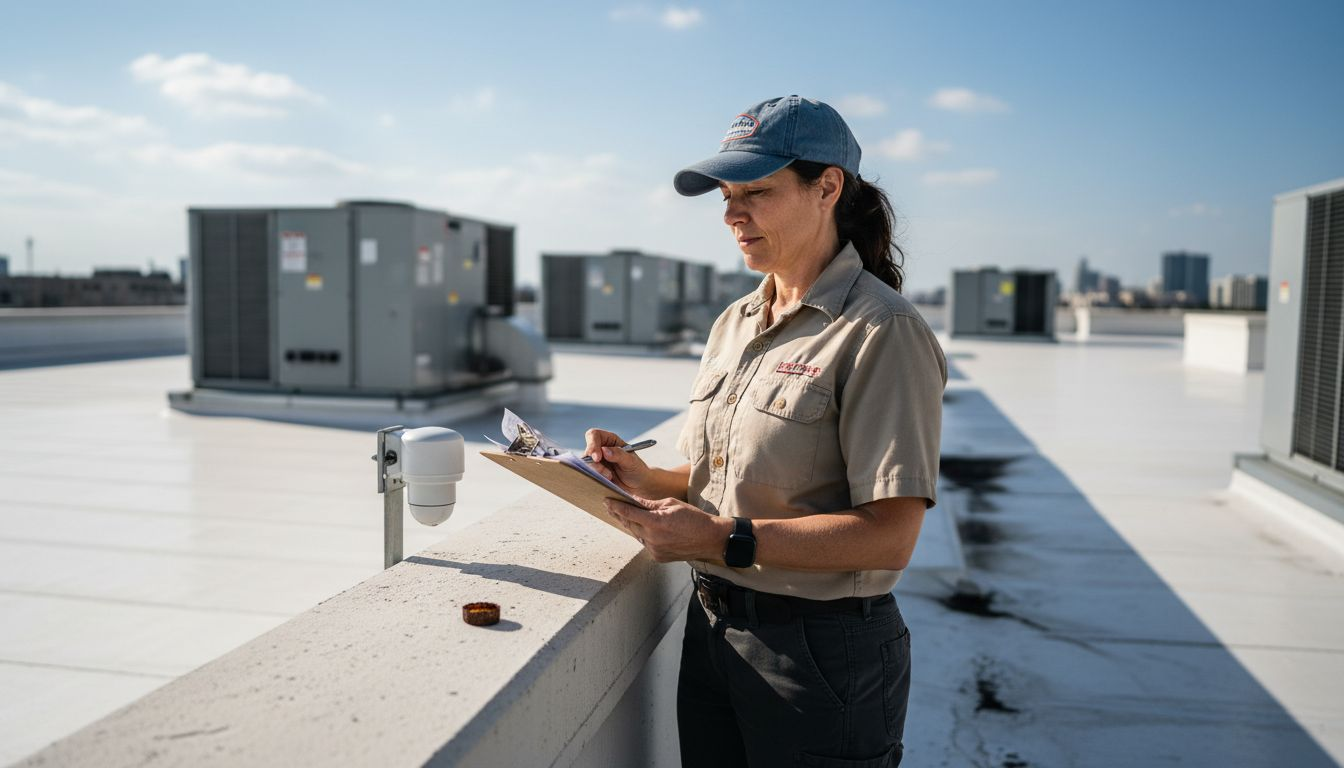
The energy efficiency benefits extend beyond individual buildings. Cool roofs help reduce surrounding air temperatures by up to 5°F, which combats urban heat island effects in densely populated areas. When multiple buildings adopt cool roofing strategies, entire neighborhoods experience lower ambient temperatures and reduced energy demand during peak cooling periods.
Planning for solar-ready roofs can enhance future energy efficiency if properly designed. You’ll want to ensure your roof structure can support panel weight, has appropriate orientation and slope, and includes pathways for electrical conduits before installation begins. Getting these details right during initial construction or roof replacement saves significant costs and complications later.
| Roofing Type | Cooling Cost Reduction | Lifespan Extension | Maintenance Frequency |
|---|---|---|---|
| Cool Metal Roof | 20–30% | 5–10 years | Every 3–5 years |
| White TPO Membrane | 15–25% | 5–8 years | Every 2–4 years |
| Standard Asphalt Shingle | Baseline | Baseline | Every 1–3 years |
| Green/Vegetative Roof | 10–20% | Variable | Every 6–12 months |
Material selection directly impacts cost savings and environmental performance. Metal roofing offers superior reflectivity and durability but requires higher upfront investment. TPO and PVC single-ply membranes provide excellent cool roof performance at moderate cost, making them popular for commercial flat roofs. Each option has trade-offs between initial expense, maintenance needs, and long-term value.
Sustainable roofing strategies that maximize efficiency include:
- Installing additional insulation layers beneath the roofing membrane
- Selecting light-colored or specially coated reflective materials
- Ensuring proper ventilation to reduce heat buildup in attic spaces
- Sealing air leaks around roof penetrations and edges
- Orienting roof slopes to optimize solar panel placement
The role of roofing in energy efficiency becomes especially critical in extreme climates. Hot, sunny regions benefit most from reflective surfaces, while cold climates require balanced approaches that consider both summer cooling and winter heat retention. Understanding how roofing boosts energy savings helps you select the right system for your location and building type.
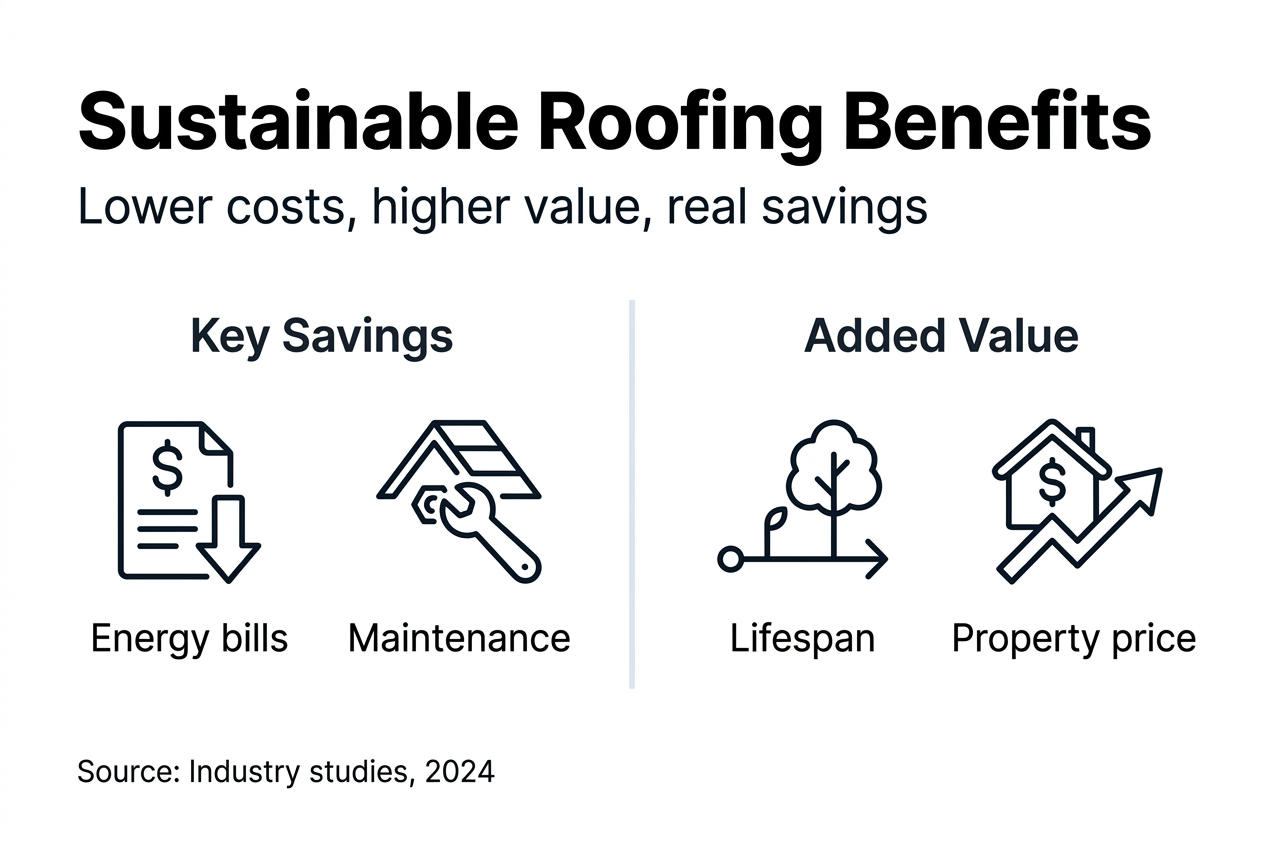
Pro Tip: Calculate your potential energy savings by comparing current cooling costs with projected savings from cool roofing. Most sustainable roofing investments pay for themselves within 8 to 15 years through reduced energy bills and extended roof lifespan.
Solar energy integration with sustainable roofing: benefits and pitfalls
Combining solar panels with sustainable roofs amplifies energy benefits and reduces emissions when done correctly. Solar panels can exceed 20% efficiency, significantly reducing carbon footprint and grid reliance. Modern panel technology converts more sunlight into usable electricity than ever before, which means you generate more power from the same roof area compared to systems installed just five years ago.
However, installation errors create serious problems that undermine these benefits. Improper solar panel installation can cause leaks, water pooling, membrane damage, and wind damage. Flat roofs face particular challenges because poor drainage design around panel arrays allows water to accumulate, which accelerates membrane deterioration and creates leak pathways.
A detailed roof condition assessment and proper planning are crucial before solar installation. You need a professional evaluation of your roof’s structural capacity, waterproofing integrity, and remaining service life. Installing expensive solar panels on a roof that needs replacement in five years wastes money and creates unnecessary complications.
The solar-ready roof concept sounds appealing but often lacks real structural readiness. Many buildings labeled as solar-ready simply have empty conduit runs and basic structural calculations, but they lack the reinforced mounting points, enhanced waterproofing, and proper load distribution needed for actual panel installation. Verify what solar-ready actually includes before assuming your roof is truly prepared.
“A truly solar-ready roof requires more than basic conduit placement. It needs engineered mounting points, waterproofing redundancy, and verified load capacity across all potential panel locations.”
Proper installation includes critical steps that protect your investment:
- Conduct structural engineering analysis for panel weight and wind loads
- Install waterproof flashing and sealants at all mounting penetrations
- Design drainage pathways that prevent water pooling around panel arrays
- Secure panels with appropriate fasteners rated for local wind conditions
- Verify electrical grounding and bonding meet code requirements
Choosing roofing materials compatible with solar mounting is critical. TPO and PVC membranes work well with ballasted racking systems that minimize roof penetrations. Metal roofing offers excellent compatibility with clamp-based mounting that requires no holes through the roof surface. Asphalt shingles require careful flashing details at each mounting point to prevent leaks.
| Installation Approach | Roof Penetrations | Water Leak Risk | Wind Resistance | Best Roof Types |
|---|---|---|---|---|
| Ballasted System | Minimal | Low | Moderate | Flat TPO/PVC |
| Attached Racking | High | High if improper | High | Metal, Shingle |
| Clamp Mount | None | Very Low | High | Standing Seam Metal |
| Integrated Solar Shingles | None | Low | Moderate | New Construction |
Common mistakes to avoid during solar integration:
- Installing panels before verifying roof warranty compatibility
- Neglecting proper flashing and waterproofing at penetration points
- Failing to account for thermal expansion in mounting hardware
- Placing panels where they block essential roof drainage paths
- Using generic mounting systems instead of roof-specific hardware
The solar installation steps matter as much as panel quality. Following a comprehensive solar roofing checklist ensures your system performs reliably for 25 years or more without creating roof damage or leaks.
Pro Tip: Schedule your roof replacement and solar installation as a coordinated project. Installing a new sustainable roof designed specifically for solar integration costs less overall than retrofitting panels onto an existing roof that wasn’t built with that purpose in mind.
Choosing and maintaining sustainable roofing for long-term success
Selecting the right sustainable roofing material requires balancing durability, recyclability, and solar compatibility. Metal roofs offer outstanding performance across all three factors, but proper design, detailing, and maintenance determine whether their durability and recyclability potential is actually realized. Poor installation negates the sustainability advantages of even the best materials.
Maintenance tasks directly impact how long your sustainable roof and solar system perform optimally. Regular inspections and maintenance extend the lifespan of sustainable roofs and integrated solar panels. You should inspect your roof at least twice yearly, checking for seal integrity around solar mounts, drainage function, and any signs of membrane damage or fastener loosening.
Flat roofs require special attention to drainage because water pooling accelerates membrane deterioration and can damage solar panel mounting systems. Ensure drain openings remain clear of debris and that roof slopes direct water properly toward drainage points. Even minor ponding areas can cause significant problems over time.
Key maintenance practices for sustainable roofing:
- Inspect and clean gutters and drains quarterly
- Check solar panel mounting hardware for tightness annually
- Remove debris and vegetation that accumulates around panels
- Verify waterproof seals and flashing remain intact
- Document roof condition with photos for warranty and insurance purposes
Engaging professional installers familiar with both sustainable roofing and solar integration prevents costly mistakes. Generic roofers may lack experience with solar mounting requirements, while solar installers sometimes underestimate roofing complexities. You need contractors who understand both systems and how they interact.
Steps to maximize sustainable roofing and solar investment:
- Research roofing options suitable for your climate and building type
- Schedule a free roof inspection to assess current condition
- Obtain detailed proposals that include both roofing and solar components
- Verify contractor credentials, licenses, and solar installation experience
- Establish a maintenance schedule before installation is complete
- Keep detailed records of all inspections, repairs, and warranty information
Planning for routine upkeep maximizes the lifespan and performance of your investments. Budget for professional inspections every two to three years, even if your roof appears problem-free. Early detection of minor issues prevents expensive repairs and extends overall system life.
Pro Tip: Create a digital folder with your roof warranty, solar panel warranty, installation diagrams, and maintenance records. Having this documentation readily available speeds up warranty claims and helps future contractors understand your system configuration.
Explore expert sustainable roofing and solar solutions
Ready to transform your property with sustainable roofing and solar integration? Professional experts ensure your investment delivers maximum value and performance through proper planning, quality installation, and ongoing support.
Sunflowers Energy provides comprehensive services tailored to your specific needs. From initial roof assessment through final system activation, experienced professionals guide you through proven solar installation steps that optimize efficiency and longevity. Explore diverse roofing options designed for sustainability and solar compatibility, then schedule your free roof inspection to discover how sustainable roofing and solar energy can reduce your costs while protecting the environment.
Frequently asked questions about sustainable roofing
What makes a roof truly sustainable compared to traditional roofing?
A truly sustainable roof combines long-lasting materials, energy efficiency, and minimal environmental impact throughout its lifecycle. It features recyclable or renewable content, reflective surfaces that reduce cooling needs, and designs that support additional green technologies like solar panels. Traditional roofing focuses primarily on upfront cost and basic weather protection without considering energy performance or end-of-life recyclability.
How do cool roofs help lower energy bills during hot months?
Cool roofs use reflective materials that bounce sunlight away instead of absorbing it as heat. This keeps your building’s interior cooler, reducing air conditioning workload by 15 to 30 percent during peak summer months. Lower cooling demand translates directly to reduced electricity consumption and smaller utility bills, while also extending your HVAC system’s lifespan through reduced operating hours.
What common mistakes should be avoided when installing solar panels on flat roofs?
Avoid installing panels without proper drainage planning, as this creates water pooling that damages roof membranes. Never skip the structural assessment that verifies your roof can support panel weight and wind loads. Ensure all mounting penetrations include proper waterproof flashing and sealants, because even small leaks cause extensive interior damage over time. Choose mounting systems designed specifically for your roof type rather than generic hardware.
Are there financial incentives available for installing sustainable roofing and solar systems?
Yes, federal tax credits cover up to 30 percent of solar installation costs through 2032, with gradual reductions in subsequent years. Many states and utilities offer additional rebates, performance incentives, and property tax exemptions for sustainable roofing and solar upgrades. Local programs vary significantly, so research why choose solar roofing and check current incentive databases for your specific location and project type.
How often should I have my sustainable roof and solar panels inspected?
Schedule professional inspections twice yearly, ideally in spring and fall, to catch potential issues before they escalate. Perform visual checks yourself quarterly, looking for debris accumulation, drainage problems, or loose mounting hardware. After severe weather events, inspect immediately for damage. Consistent maintenance as outlined in any comprehensive solar power guide extends system life and preserves warranty coverage.
Recommended
- How roofing boosts energy savings and solar efficiency – Sunflowers Energy LLC A Roofing and Solar Companys
- What is a sustainable roof? Cut energy use 20% in 2026 – Sunflowers Energy LLC A Roofing and Solar Companys
- Role of roofing in energy efficiency: reduce costs – Sunflowers Energy LLC A Roofing and Solar Companys
- Why Choose Solar Roofing: Savings, Durability, Value – Sunflowers Energy LLC A Roofing and Solar Companys