
What is a roofing system? A 2026 guide for homeowners
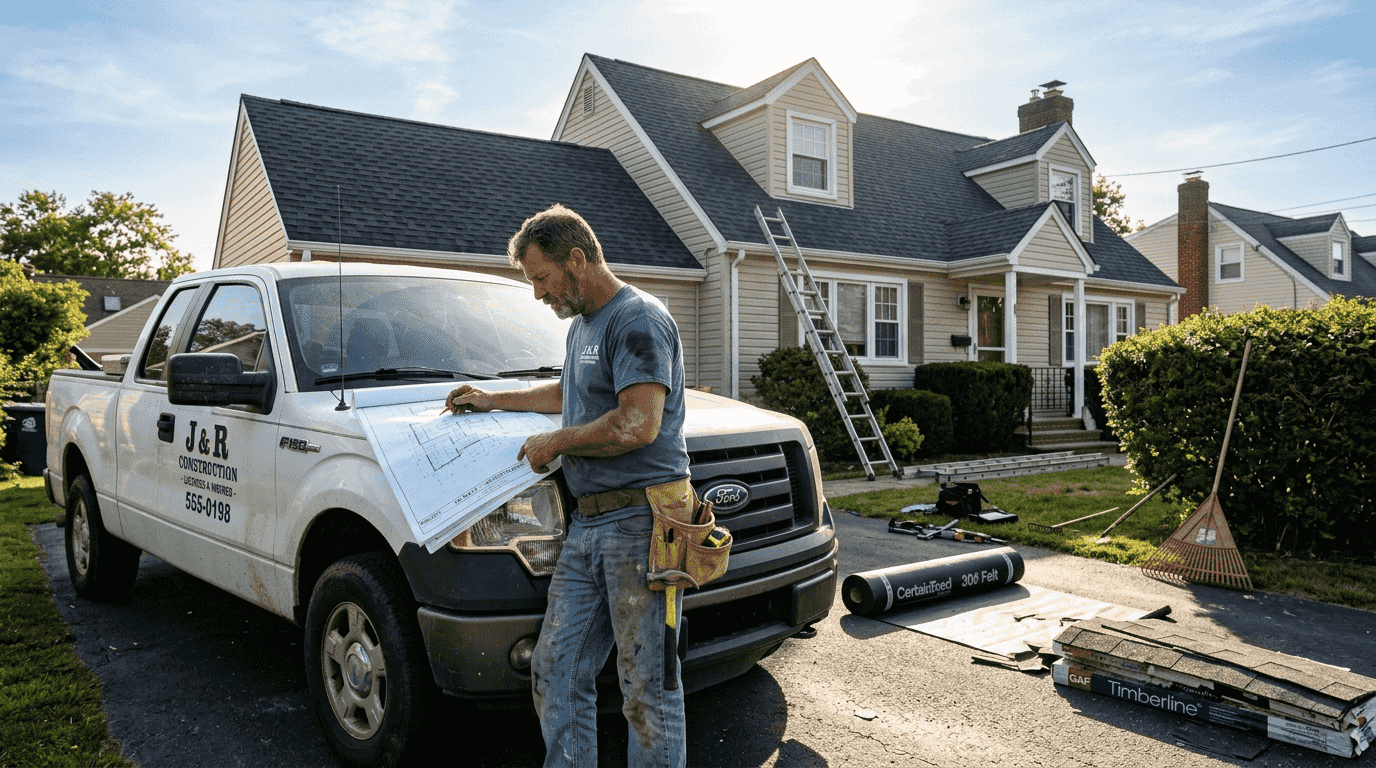
A roofing system is more than just shingles on top of your house. It’s a multilayered structure designed to protect your home from weather while regulating energy use. Properly designed roofing systems can reduce energy bills by up to 25%, making them a critical investment for homeowners seeking cost savings and sustainability. This guide breaks down roofing system components, energy benefits, maintenance, and solar integration to help you make informed decisions.
Table of Contents
- Definition And Components Of Roofing Systems
- How Roofing Systems Protect Buildings And Enhance Energy Efficiency
- Integration Of Solar Energy With Roofing Systems
- Comparison Of Roofing Types: Material Choices And Sustainability
- Common Misconceptions About Roofing And Solar Energy
- Maintenance, Repair, And Storm Damage Restoration Protocols
- Decision Framework For Roofing Repair Vs Replacement And Sustainable Upgrades
- Explore Roofing And Solar Solutions With Sunflowers Energy
Key takeaways
| Point | Details |
|---|---|
| Roofing systems include multiple critical layers for protection and energy regulation | Each layer from deck to outer material serves a specific protective and efficiency function. |
| Energy efficient roofing materials and coatings reduce utility costs by up to 25% | Reflective coatings and proper insulation lower heating and cooling expenses significantly. |
| Solar panels, if properly installed, can protect and extend roof lifespan | Correct mounting shields roofing surfaces from weather exposure, delaying aging. |
| Regular maintenance and timely repairs significantly extend roof life and performance | Annual inspections can add 5 to 10 years to your roof’s service life. |
| Solar integration requires roof structural assessment for safety and durability | Weight and mounting considerations must be evaluated before installation. |
Definition and components of roofing systems
Roofing systems are multilayered structures built to protect buildings from weather and regulate indoor energy. Understanding each layer helps you appreciate how your roof functions and where improvements can boost performance.
The core layers include the roof deck, underlayment, insulation, waterproof membranes, and outer roofing material. The roof deck forms the structural base, typically constructed from wood or metal. Underlayment sits atop the deck, providing an additional moisture barrier often made from synthetic materials that outlast traditional felt. Insulation regulates temperature by reducing heat transfer, using foam or fiberglass materials. Waterproof membranes add another layer of protection against leaks. The outer roofing material, whether asphalt shingles or metal panels, serves as the visible first line of defense against rain, wind, and sun.
Each layer plays an essential role in weather resistance, energy efficiency, and durability. Missing or damaged components compromise the entire system, leading to leaks, energy waste, and costly repairs.
- Roof deck: Structural foundation supporting all other layers
- Underlayment: Secondary moisture barrier protecting the deck
- Insulation: Thermal regulator reducing energy loss
- Waterproof membrane: Additional leak prevention layer
- Outer material: Primary weather shield and aesthetic surface
These components work together seamlessly when properly installed and maintained. Regular inspections ensure each layer performs its function, protecting your home investment.
How roofing systems protect buildings and enhance energy efficiency
Roofing components reduce heat transfer and help maintain comfortable indoor temperatures year round. The insulation layer prevents warm air from escaping during winter and blocks heat from entering during summer. This thermal regulation directly impacts your heating and cooling costs.
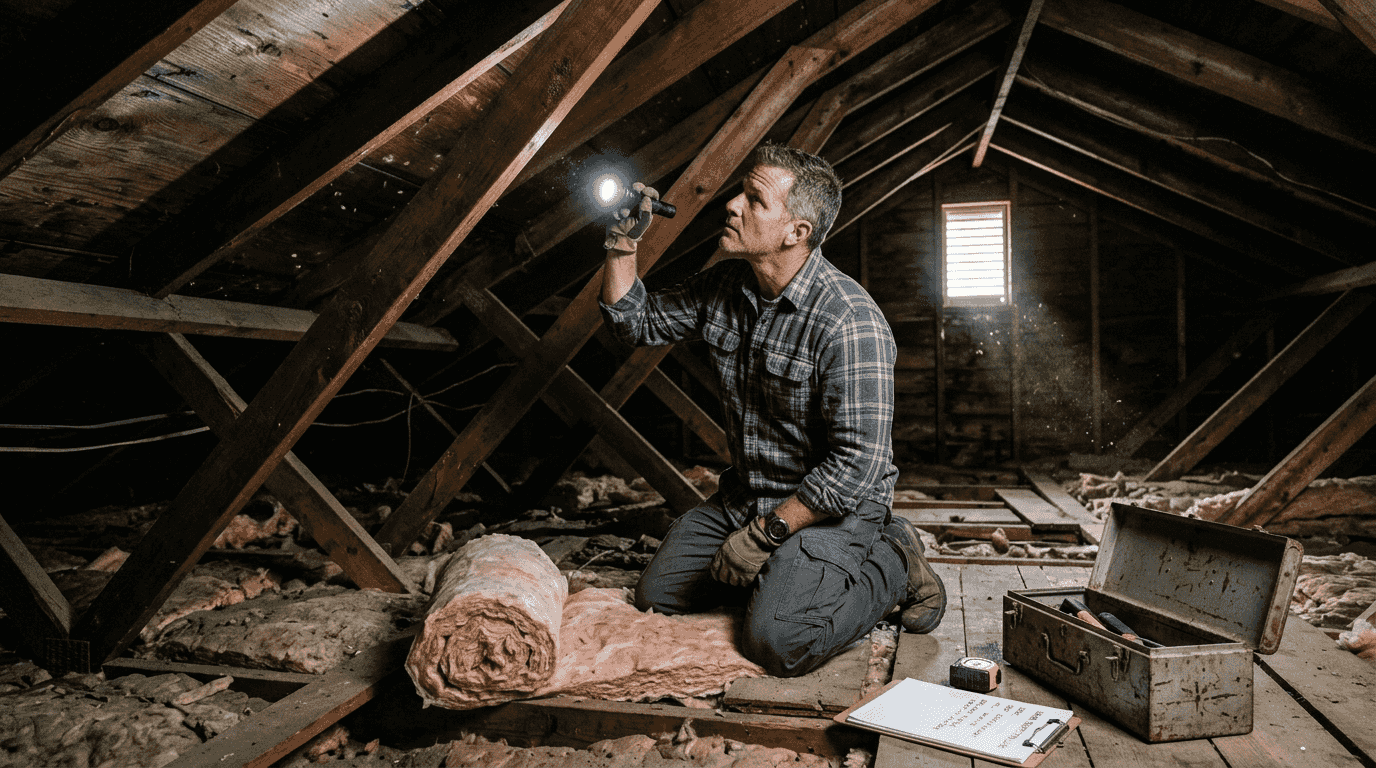
Improved insulation and reflective materials can cut energy use by 10 to 25%. These savings add up quickly, especially in regions with extreme temperatures. Cool roof coatings lower rooftop temperatures significantly, reducing cooling costs by reflecting sunlight away from your home. This reflective technology eases the load on air conditioning systems, extending their lifespan while lowering utility bills.
Proper roofing design also limits moisture intrusion and structural damage. Waterproof membranes and underlayment prevent water from reaching the deck, avoiding rot and mold growth. Effective ventilation systems remove excess moisture, further protecting structural integrity.
- Thermal regulation: Insulation maintains consistent indoor temperatures
- Reflective technology: Cool coatings deflect solar heat
- Moisture control: Multiple barriers prevent water damage
- Energy savings: Reduced heating and cooling costs
Effective roofing contributes to sustainability goals by lowering energy consumption and reducing your carbon footprint while protecting your home from weather damage.
These protective functions make roofing systems a cornerstone of home performance. Investing in quality materials and proper installation pays dividends through lower energy bills and reduced maintenance costs.
Integration of solar energy with roofing systems
Solar panels add weight and require structural assessment before installation. Your roof must support the additional load without compromising its integrity. A professional evaluation determines if reinforcement is needed, ensuring safe and effective solar integration.
Correct installation protects roofing surfaces by shielding them from weather exposure. Solar panels can delay roof aging by several years when mounted properly, as they block direct sun, rain, and hail from hitting shingles or other materials. This protective benefit extends roof lifespan while generating clean energy.
Roof type and material influence solar panel compatibility and mounting methods. Asphalt shingle roofs require penetrating mounts that must be sealed properly to prevent leaks. Metal roofs offer standing seam systems that allow clamping without penetration. Tile and slate roofs need specialized mounting hardware to avoid breaking fragile materials. Review solar roofing checklists for urban homeowners to understand preparation steps.
Regular inspection ensures solar integration does not compromise roofing integrity. Check mounting points annually for signs of wear or water intrusion. Maintaining both systems together maximizes their combined benefits and prevents costly damage.
- Structural evaluation: Assess load capacity before installation
- Protective benefits: Panels shield roofing from weather
- Material compatibility: Match mounting methods to roof type
- Ongoing maintenance: Monitor both systems regularly
Pro Tip: Schedule your roof inspection and any needed repairs before solar installation. Addressing roofing issues first avoids the expense of removing and reinstalling panels later. Understanding roof replacement costs with solar panels helps you budget appropriately.
Consult professionals to balance solar benefits with roofing safety and longevity. Proper planning ensures your investment delivers decades of energy savings without compromising home protection.
Comparison of roofing types: material choices and sustainability
Asphalt shingles remain the most affordable option with a 20 to 30 year lifespan. Their widespread use makes installation and repair straightforward, and they come in numerous colors to match any home style. However, they offer limited reflective properties compared to other materials.
Metal roofing delivers exceptional durability, lasting 40 to 70 years with minimal maintenance. Highly reflective surfaces improve energy savings by bouncing solar heat away from your home. The higher initial cost is offset by longevity and energy efficiency. Metal roofs also excel in fire resistance and wind protection.
Synthetic underlayment enhances waterproofing and roof durability with a longer lifespan than traditional felt. This modern material resists tearing and moisture better, providing superior protection for your roof deck. Cool roofing materials reduce heat absorption, lowering indoor temperatures and energy bills through advanced reflective technology.
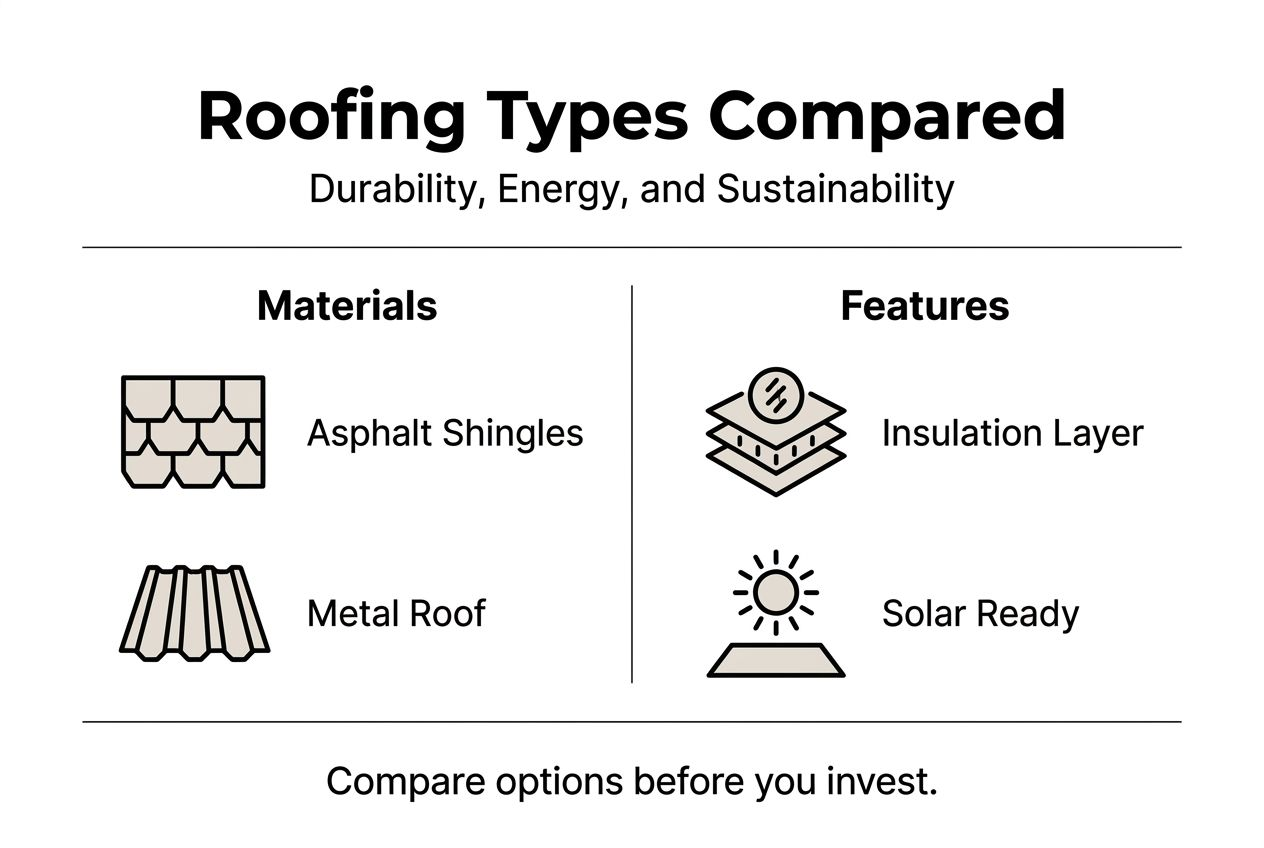
Material choice impacts energy efficiency and long term sustainability. Selecting the right material depends on your climate, budget, and environmental goals. Consider how each option supports potential solar installation if you plan to add panels later.
| Material | Lifespan | Energy Efficiency | Initial Cost | Solar Compatibility |
|---|---|---|---|---|
| Asphalt Shingles | 20 to 30 years | Moderate | Low | Good |
| Metal Roofing | 40 to 70 years | High | High | Excellent |
| Synthetic Underlayment | 25 to 50 years | Enhanced Protection | Moderate | Excellent |
| Cool Roof Coatings | Extends existing roof | Very High | Low to Moderate | Good |
- Climate considerations: Hot regions benefit most from reflective materials
- Budget planning: Balance upfront costs against lifespan
- Sustainability goals: Choose materials with recycled content or recyclability
- Solar readiness: Ensure material supports future panel installation
Pro Tip: Combining metal roofing with solar panels creates a highly efficient, long lasting system. The extended lifespan of metal eliminates the need to remove panels for roof replacement during the solar system’s lifetime. Explore why solar roofing makes sense for your home.
Select materials based on your specific needs and long term plans. The right choice maximizes protection, efficiency, and value.
Common misconceptions about roofing and solar energy
Myth: Solar panels damage roofs, causing leaks or structural issues. Fact: Proper installations protect roofs and can extend their lifespan by shielding materials from direct weather exposure. Quality mounting systems seal penetration points effectively, preventing water intrusion.
Myth: Roof repair is always better than full replacement after storm damage. Fact: Replacement may be more cost effective long term, especially if your roof is older or has widespread damage. Repeated repairs on aging roofs often cost more than a single replacement that adds decades of reliable protection.
Myth: Cool roofs reset roof lifespan, making old roofs like new. Fact: Cool roof coatings primarily improve energy costs by reflecting heat, not structural longevity. While they protect existing materials from some UV damage, they cannot reverse aging or repair underlying structural issues.
Myth: All roofing materials work equally well with solar panels. Fact: Material type significantly affects mounting methods, installation complexity, and costs. Metal and asphalt shingles offer easier installation than tile or slate, which require specialized equipment and expertise.
- Installation quality matters: Professional work prevents damage
- Age influences decisions: Older roofs may need replacement first
- Coatings have limits: They improve efficiency but don’t fix structural problems
- Material compatibility varies: Choose solar friendly roofing from the start
Understanding these myths helps you avoid costly mistakes and make informed decisions about roofing investments. Always consult qualified professionals who can assess your specific situation and provide honest recommendations.
Clearing up these misconceptions empowers you to ask the right questions and evaluate contractor proposals effectively. Knowledge protects your investment and ensures you get the best value from roofing and solar upgrades.
Maintenance, repair, and storm damage restoration protocols
Regular inspections extend roof lifespan by 5 to 10 years through early problem detection. Catching small issues like loose shingles or damaged flashing prevents them from becoming major leaks or structural damage. Schedule professional inspections annually and after severe weather events.
Storm damage causes roughly 30% of roofing repairs in the U.S., requiring prompt action. High winds tear off shingles, hail creates dents and cracks, and heavy rain exploits any weakness in your roofing system. Documenting damage thoroughly with photos and detailed notes strengthens insurance claims and speeds up the restoration process.
Timely reporting to your insurance company is crucial for claim approval. Most policies require notification within a specific timeframe after discovering damage. Understanding processes like the State Farm roof claim procedure helps you navigate the system effectively. Review homeowners insurance roof replacement coverage to know what your policy covers.
Maintain gutters, shingles, and flashing to prevent leaks and structural issues. Clean gutters twice yearly to ensure proper drainage. Replace damaged shingles immediately to prevent water from reaching underlayment. Check flashing around chimneys and vents for gaps or corrosion.
- Annual inspections: Catch problems early to avoid major repairs
- Storm response: Document damage immediately with photos
- Insurance claims: Report promptly and keep detailed records
- Preventive maintenance: Clean gutters and replace damaged materials quickly
Professional repairs increase home safety and value. Attempting DIY fixes on complex roofing issues often leads to bigger problems and voids warranties. Get a roof inspection after hail damage to assess the full extent of repairs needed. Investing in quality repairs protects your home and maintains its market value.
Decision framework for roofing repair vs replacement and sustainable upgrades
Step 1: Assess roof condition to determine damage severity and remaining lifespan. Look for widespread shingle damage, sagging areas, frequent leaks, or age approaching 20 years. A professional inspection provides an objective evaluation of your roof’s health.
Step 2: Evaluate cost effectiveness of repairing versus full replacement. If repair costs exceed 40% of replacement cost, or if you need frequent repairs, replacement often makes more financial sense. New roofs reduce future maintenance costs by roughly 40% over their first decade.
Step 3: Consider sustainable upgrades like high quality insulation, reflective coatings, and solar panels. These improvements deliver immediate energy savings while increasing home value. Modern materials offer better performance and longer lifespans than older options.
Step 4: Ensure structural integrity supports solar installation before proceeding. Have an engineer evaluate your roof’s load bearing capacity if you plan to add panels. Reinforcement may be needed for older structures or those with heavy solar systems.
Step 5: Plan upgrades to maximize energy savings and environmental impact. Sustainable upgrades combining insulation, reflective materials, and solar integration can reduce energy consumption by more than 30%. This comprehensive approach delivers the best return on investment.
- Inspect and document: Get professional assessment of current condition
- Calculate costs: Compare repair versus replacement expenses
- Review upgrade options: Research sustainable materials and solar potential
- Verify structural capacity: Ensure roof can support planned improvements
- Implement strategically: Coordinate upgrades for maximum efficiency gains
- Budget considerations: Balance immediate costs against long term savings
- Timeline planning: Coordinate roofing and solar work efficiently
- Contractor selection: Choose experienced professionals with proven track records
- Permit requirements: Ensure all work meets local building codes
Pro Tip: If your roof needs replacement within five years, do it before installing solar panels. This avoids the expense of removing and reinstalling panels during roof work. Review solar installation steps for home efficiency to coordinate projects effectively. Check signs you need a roof replacement to make an informed decision.
Balance durability, budget, and ecological benefits in your final decision. The right approach protects your home while advancing your sustainability goals and reducing long term costs.
Explore roofing and solar solutions with Sunflowers Energy
Now that you understand roofing systems and their integration with solar energy, take the next step toward protecting your home and reducing energy costs. Sunflowers Energy offers expert roofing services tailored for durability and energy efficiency, from repairs to complete replacements using premium materials.
Their solar installation services integrate seamlessly with your roofing system, ensuring structural integrity while maximizing energy production. Professional roof inspections assess whether repair, replacement, or solar readiness makes sense for your property. The team handles everything from initial assessment through final installation, including solar panel maintenance to keep your system performing optimally. Contact Sunflowers Energy to maximize your home’s protection and sustainable energy savings with solutions designed for your specific needs.
FAQ
What are the main components of a roofing system?
A roofing system typically includes the roof deck, underlayment, insulation, waterproof membrane, and outer roofing material like shingles or metal. These layers work together to protect and insulate your home from weather while regulating energy use. Each component serves a specific function, from structural support to moisture protection and thermal regulation.
Do solar panels damage my roof?
Properly installed solar panels do not damage roofs and can actually protect them by shielding surfaces from direct weather exposure. Quality installations seal all penetration points effectively, preventing leaks while extending roof lifespan by several years. The key is working with experienced installers who follow best practices for your specific roof type.
When should I consider replacing my roof instead of repairing it?
Consider replacement if your roof is over 20 years old, has extensive damage, experiences frequent leaks, or repair costs approach replacement price. A timely replacement can save money long term and prepares your home for sustainable upgrades like solar integration. New roofs also come with warranties that provide peace of mind for decades.
How often should I have my roof inspected and maintained?
Schedule professional roof inspections at least once a year and after major storms to catch damage early. Regular maintenance including gutter cleaning, shingle replacement, and flashing checks can extend your roof’s service life by up to 10 years. Early detection of small problems prevents them from becoming expensive major repairs.
Recommended
- 7-Step Solar Roofing Checklist for Urban Homeowners – Sunflowers Energy LLC A Roofing and Solar Companys
- Roof Replacement With Solar Panels Cost: 2026 Price Guide – Sunflowers Energy LLC A Roofing and Solar Companys
- Owens Corning Shingles Installation Instructions: A Guide – Sunflowers Energy LLC A Roofing and Solar Companys
- Role of roofing in energy efficiency: reduce costs – Sunflowers Energy LLC A Roofing and Solar Companys